

What Is Pasteurized Crab Meat And Does It Taste Any Different?
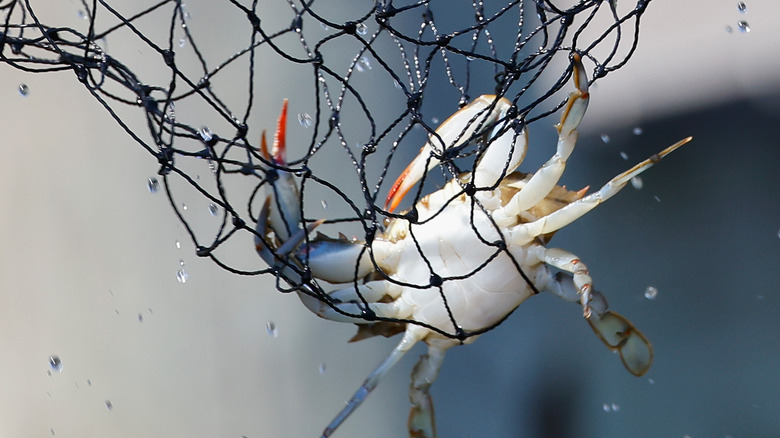
When reaching for a tub or can of crab meat in a supermarket's refrigerated seafood section, you may notice an unexpected word curiously appearing on the label: pasteurized. We've come to associate modern-day pasteurization with dairy products and juices — but crab? Yes, crab, and it's more commonplace than you might imagine.
Pasteurized crab meat is nothing like "imitation" crab; it instead comes from genuine crab meat that's been removed from the shell, packed into sealed containers, and then gently heat-treated to make it safer and longer-lasting for packing, shipping, and extended life in your refrigerator or freezer. If this sounds a bit Frankenstein-ish, rest assured. It's a fairly routine process used across the seafood industry, categorized by the Food and Drug Administration (FDA) as a "pasteurized fishery product" alongside things like pasteurized lobster meat and surimi-style seafood products.
By the time safely pasteurized crab lands in your local market, the only things that should concern you are how it tastes and how to incorporate it into meal plans. First things first: Does pasteurization change the taste of fresh crab? Sometimes, but only slightly. It's not a fully shelf-stable canned seafood (like canned tuna), which can taste considerably different than fresh. Refrigerated pasteurized versions have instead been heated only enough to kill harmful bacteria, while still protecting the crab's original flavor, texture, and aroma.
That said, some crab purveyors, especially ones advocating for the superiority of fresh-caught crab, note that refrigerated pasteurized versions may be less vibrant and sweet than ones that go from sea to table with no time-extending intervention. The same goes for texture; while the difference should be negligible, it's possible you'll notice a softer mouthfeel and less delicate flakiness. But as long as it's high-quality or high-grade crab from reputable fisheries, the nuances are typically subtle.
Best ways to use pasteurized crab

When it comes to eating and cooking with pasteurized crab, it's worth noting again the difference between shelf-stable canned crab and refrigerated pasteurized crab meat. Both go through pasteurization, but the refrigerated version does so to a much lesser degree. It's treated with heat only after it's sealed in the container, for much shorter times and less heat, and then refrigerated or frozen to preserve much more flavor and texture. With that distinction, it's considerably easier to use this chilled crab meat in similar ways as you would its fresh-caught counterparts.
Fresh crab has the clearest advantage in straightforward preparations where crab is the defining centerpiece: think crab cocktail, chilled crab salad, crab served with lemon and melted butter, or anything where you want that just-picked delicacy to reign supreme. For pasteurized crab, it makes sense to lean into recipes where other textures and flavors are involved as well. That includes things like crab cakes, melts, soups, tostadas, tacos, warm crab dip, crab-stuffed mushrooms, seafood chowder, crab omelets, or a quick crab pasta with butter, lemon, garlic, and herbs.
Pasteurized crab (not the canned kind) works in some of the most iconic crab dishes of all time, including our classic Maryland crab cakes recipe. It's also super easy to incorporate it into these 14 best uses for lump crab meat.